
Check out our video review:
I think it’s safe to say the film Saving Private Ryan and the miniseries Band of Brothers were a big influence on World War II video games. If you were around during the late 90s to the mid 2000s, you may remember the influx of World War II shooters that released during that time. Many of them were good. I believe Medal of Honor is the title that really popularized World War II shooters, starting the trend. It pre-dates Band of Brothers and even the first Call of Duty, and it all started with Steven Spielberg. Long story short, Spielberg’s idea for a first-person shooter set during World War II emerged during his work on Saving Private Ryan and from watching his son play GoldenEye 007. That’s basically how Medal of Honor was born. Developed by DreamWorks Interactive and published by Electronic Arts, Medal of Honor was released for PlayStation in November, 1999. The sequel, Medal of Honor: Underground, was my first Medal of Honor game and I think my first first-person shooter on a console. I played it a lot as a kid and over the years, I acquired and played many of the sequels. But I recently realized I never actually played through the first game. Better late than never.
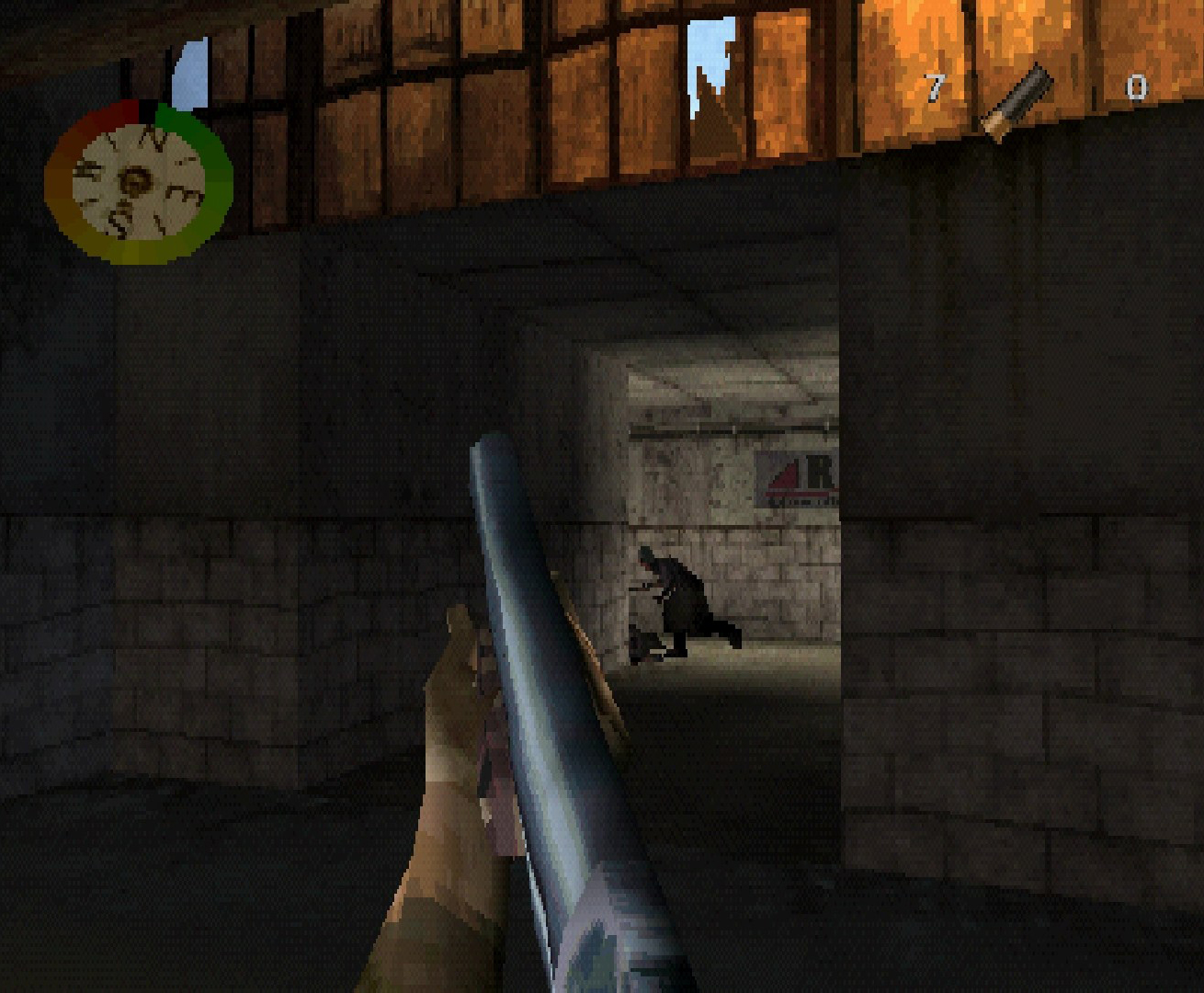
The story plays out in missions with multiple levels per mission. Each mission begins with a briefing accompanied by World War II footage and each level begins with a briefing in text form. The player is put in the shoes of Lt. Jimmy Patterson who is tasked with completing missions for the Office of Strategic Services to thwart the Nazi war effort. While the plot and characters are fictional, the game does take World War II seriously and presents it in a somewhat cinematic style. It’s not a pure shooting gallery, it doesn’t feel like a cartoon, and it’s not hammy or over-the-top. It actually tries to immerse you into the experience and even inform you of actual events of the war. I think that’s what’s most interesting about the game as a whole. It may not sound like anything special now but in 1999, I think it was pretty impressive.
Medal of Honor released during a time when first-person shooters were really starting to make some headway on consoles. GoldenEye 007 was the big one. It was the console shooter everyone was talking about, it was exclusive to the Nintendo 64, and it released two years before Medal of Honor. Unlike in today’s world, there wasn’t really a standard control scheme for first-person shooters on consoles. Not that I’m aware of, anyway. Basically, playing a first-person shooter on a fifth-generation console typically means it will take me some time to get used to the controls. However, Medal of Honor just might be one of the most comfortable console first-person shooters of its time.
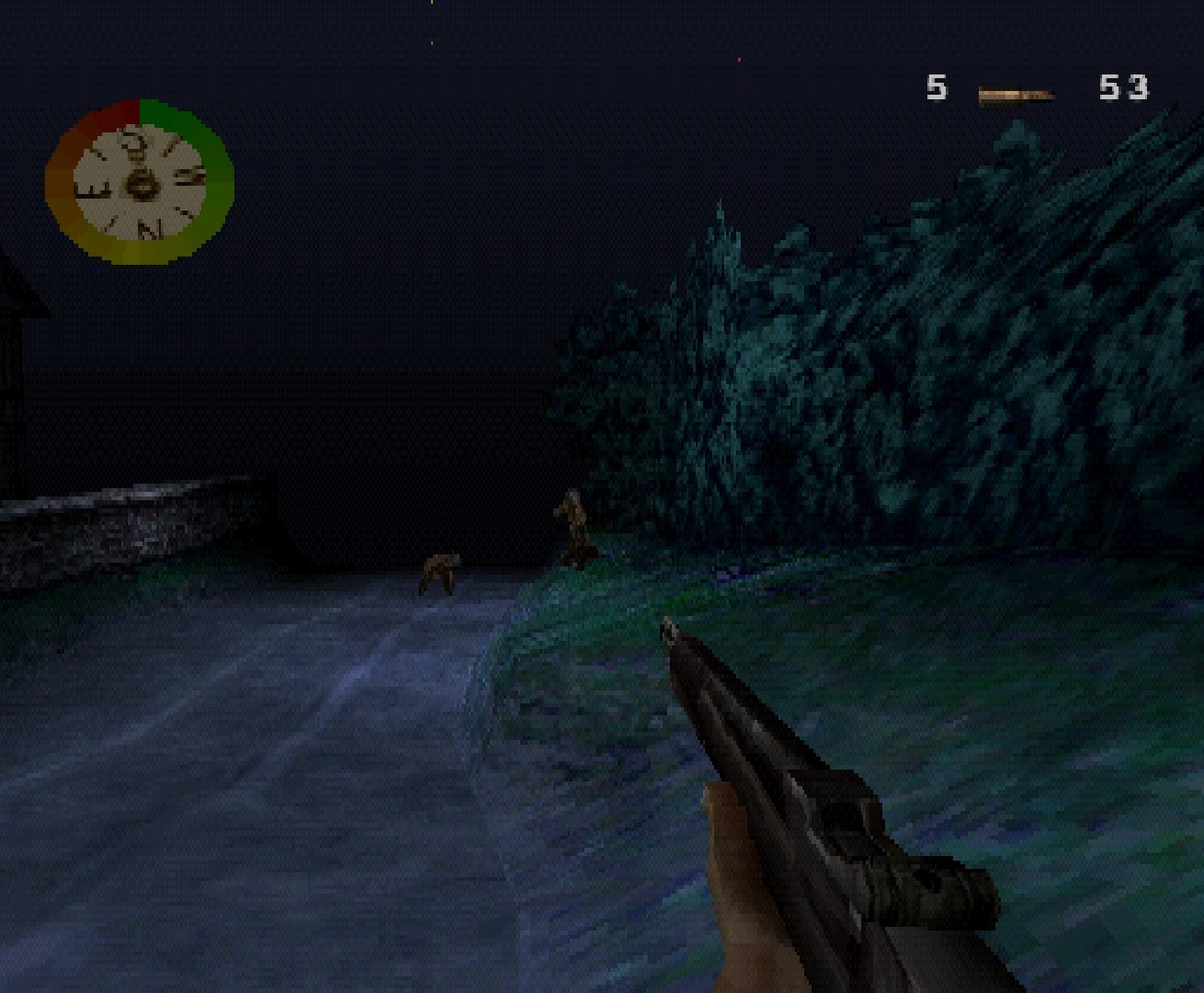
Medal of Honor does support the Dual Analog Controller and comes with multiple control schemes or configurations. I found configuration 4 to be the most comfortable and what surprised me is how close it is to a modern control scheme. I’m somewhat impressed. With this configuration, you can move and strafe with left stick, turn and aim with the right stick, shoot with R2, and aim with L2. I guess you can say it was ahead of its time in terms of controls.
The game plays like any other first-person shooter. Jimmy can walk and run, crouch or crawl, and jump. There is no permanent crosshair but holding the aim button brings one up although you will remain stationary while aiming. You can also lean while aiming. Despite the lack of a permanent crosshair, I found hitting my targets never became a problem and there are some aim settings you can mess with in the options menu. Because of the control configuration I selected, I was able to get a hang of the controls very quickly and found the game very comfortable to play. Granted, moving around the environments and aiming felt somewhat janky here and there but I attribute that to the age of the game and technology of its time.
One thing Medal of Honor really has going for it is immersion. Everything about it tries to immerse you into the time period and conflict. And I mean everything. From the main menu to the gameplay. The menu is a War Room and different parts of the room take you to different sub-menus. Not only that, you can see people inside the room doing different things, hear distant chattering and a phone will ring. I may not talk about menus a lot in video games unless they absolutely suck but Medal of Honor’s main menu is definitely worth highlighting just because of how awesome it is.
Medal of Honor comes with two game modes, single player and multiplayer. In the single player mode, you are rated at the end of each level in the form of stars and doing well in all the levels of a mission will grant you awards or medals and you can unlocks things. I didn’t get to try the multiplayer but I know there’s numerous characters to unlock including historical figures like William Shakespeare and Winston Churchill along with more exotic ones like a Velociraptor. Yes, a Velociraptor. The game also has a multitude of codes that unlock things and activate cheats. And in today’s world you don’t need to hunt down a cheat book or get them from your friends. You can just look them up online. What a time to be alive.
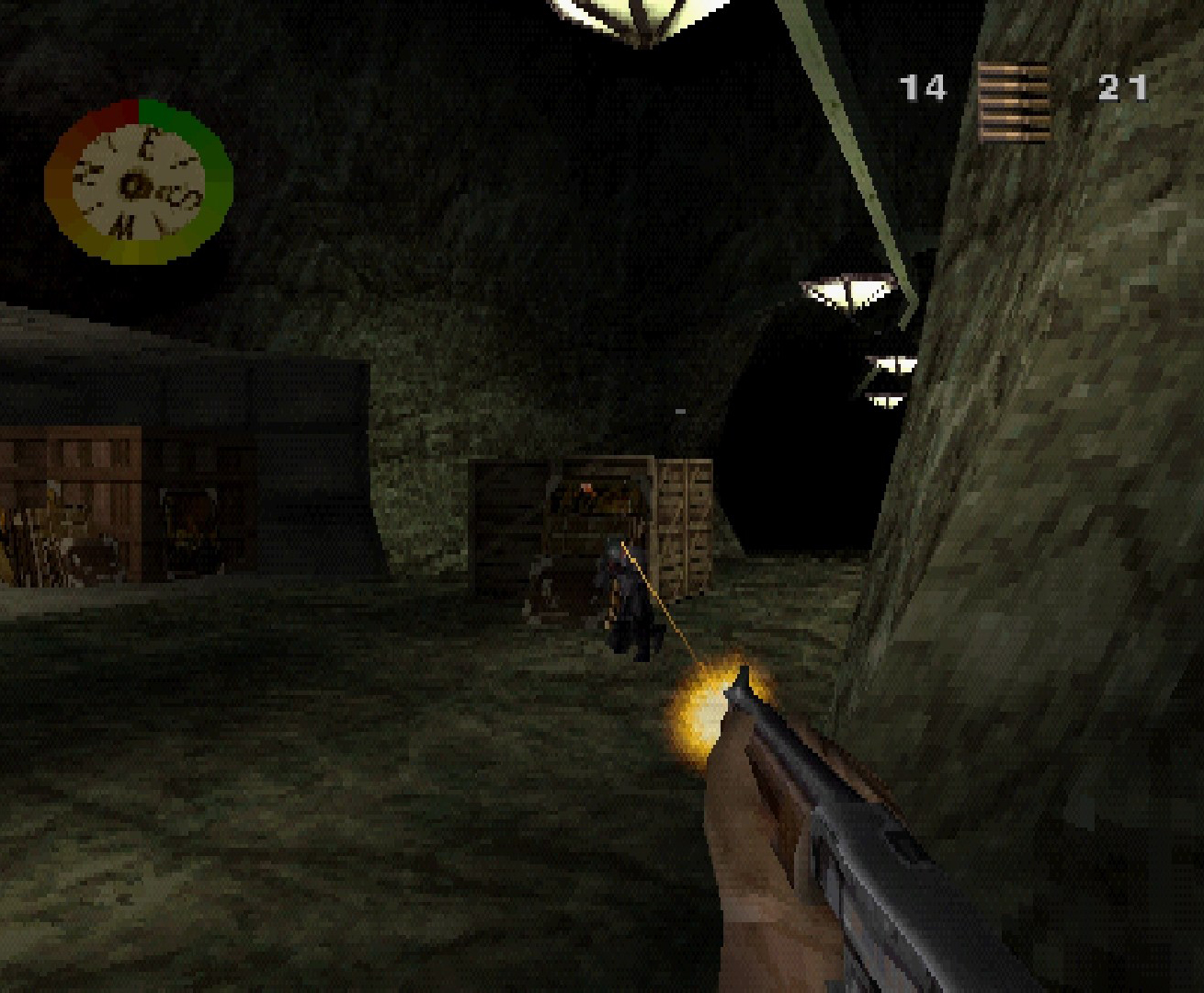
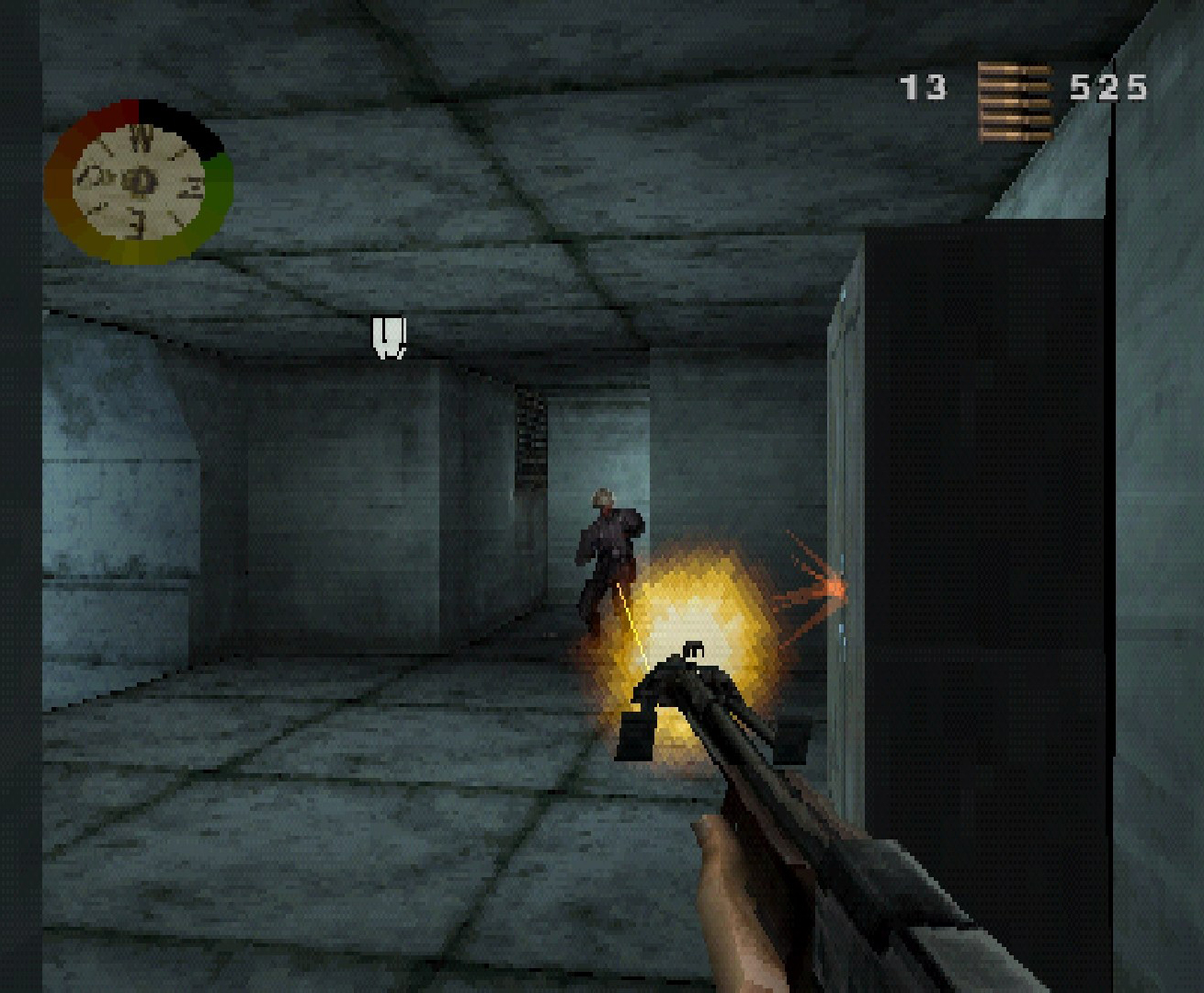
Now let’s get to the nitty gritty. There are no difficulty levels but the challenge does ramp up nicely as you progress. Medal of Honor features a decent arsenal of World War II weaponry and the gunplay feels great. There is no gore but everything from the audiovisual feedback of the weapons to the enemy reactions and animations make the combat feel very satisfying. I know the sequel, Medal of Honor: Underground, uses many, if not all, of the same enemy animations and I can’t tell you how satisfying it was to me as a kid to kill an enemy with a single headshot. Seeing their head go back and their body fall backwards was always cool to me and still is. Enemies will react differently depending on where they’re shot. Sometimes they go down but won’t die and will slowly get back up. They’ll fall over railings, dramatically stagger and even fire their weapon as they die, and you can shoot the helmets off their heads. It’s all very cool and makes for satisfying and rewarding action.
Enemies will do the basics like run around, take cover behind things, shoot at you and even shoot from around corners, and throw grenades. Not only that, they can throw or kick your grenades back at you which I still find impressive today. What’s really cool is that they can’t always do it before the grenade explodes. Furthermore, if you shoot an enemy before he throws the grenade, he’ll typically drop it. I’ve also seen them blow themselves and each other up with their own grenades on more than one occasion. I’m not saying the AI is super duper intelligent but enemies will do some interesting things that you don’t even see in modern games.
Medal of Honor does have a short draw distance and one small complaint I have is that enemies you can’t see can apparently see and shoot at you. Luckily, it never becomes a problem so bad that the gameplay feels cheap or unfair. It is possible to get into a firefight or fire a shot and sometimes another enemy around the corner or in the distance far enough that you can’t see him, so not very far at all, doesn’t react as if he couldn’t hear or wasn’t close enough to hear. The short draw distance also renders sniping as kind of ridiculous because you can’t really see that far to begin with. Not that you’re ever forced into sniping situations but the game will give you a scoped Springfield in certain levels.
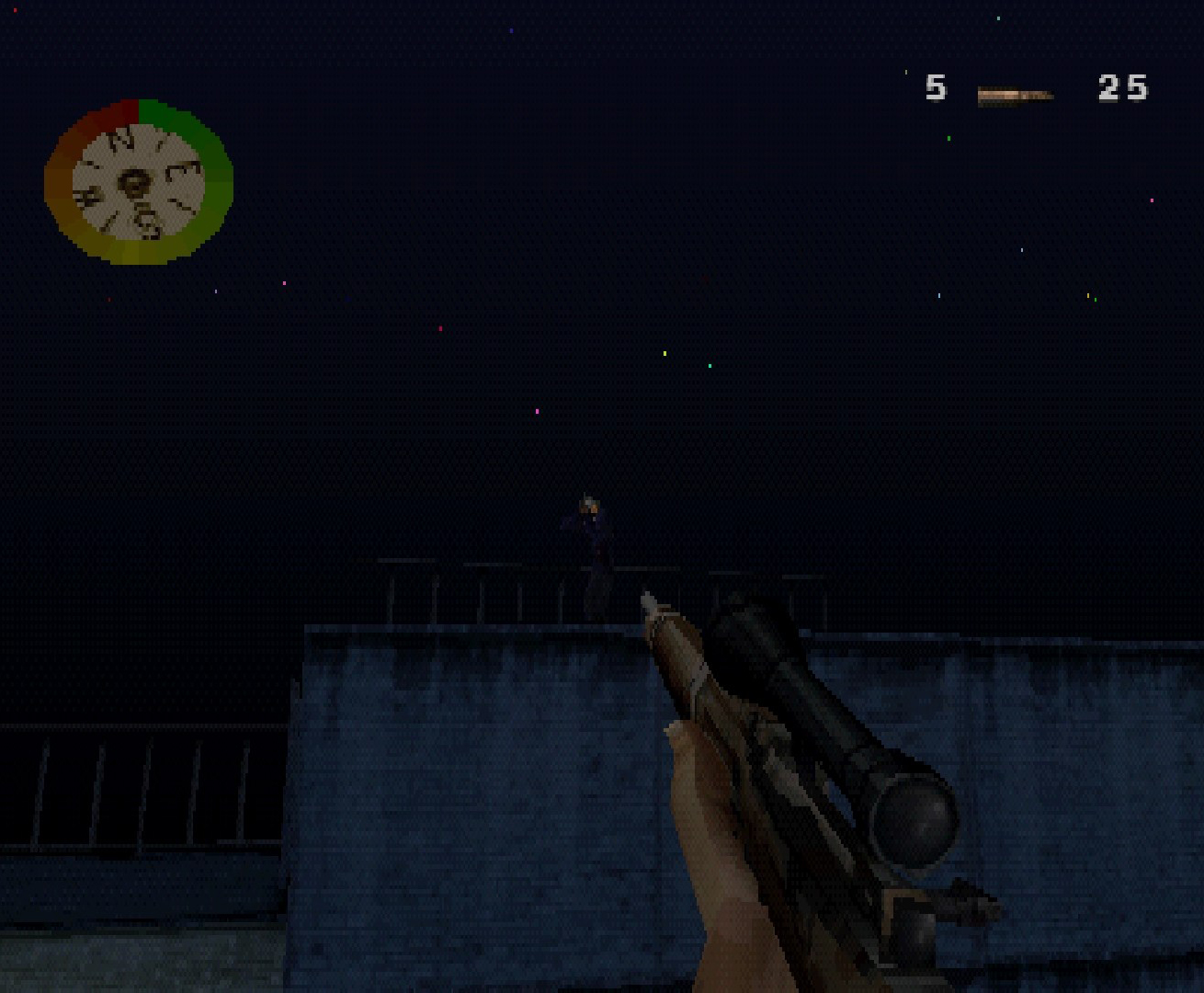
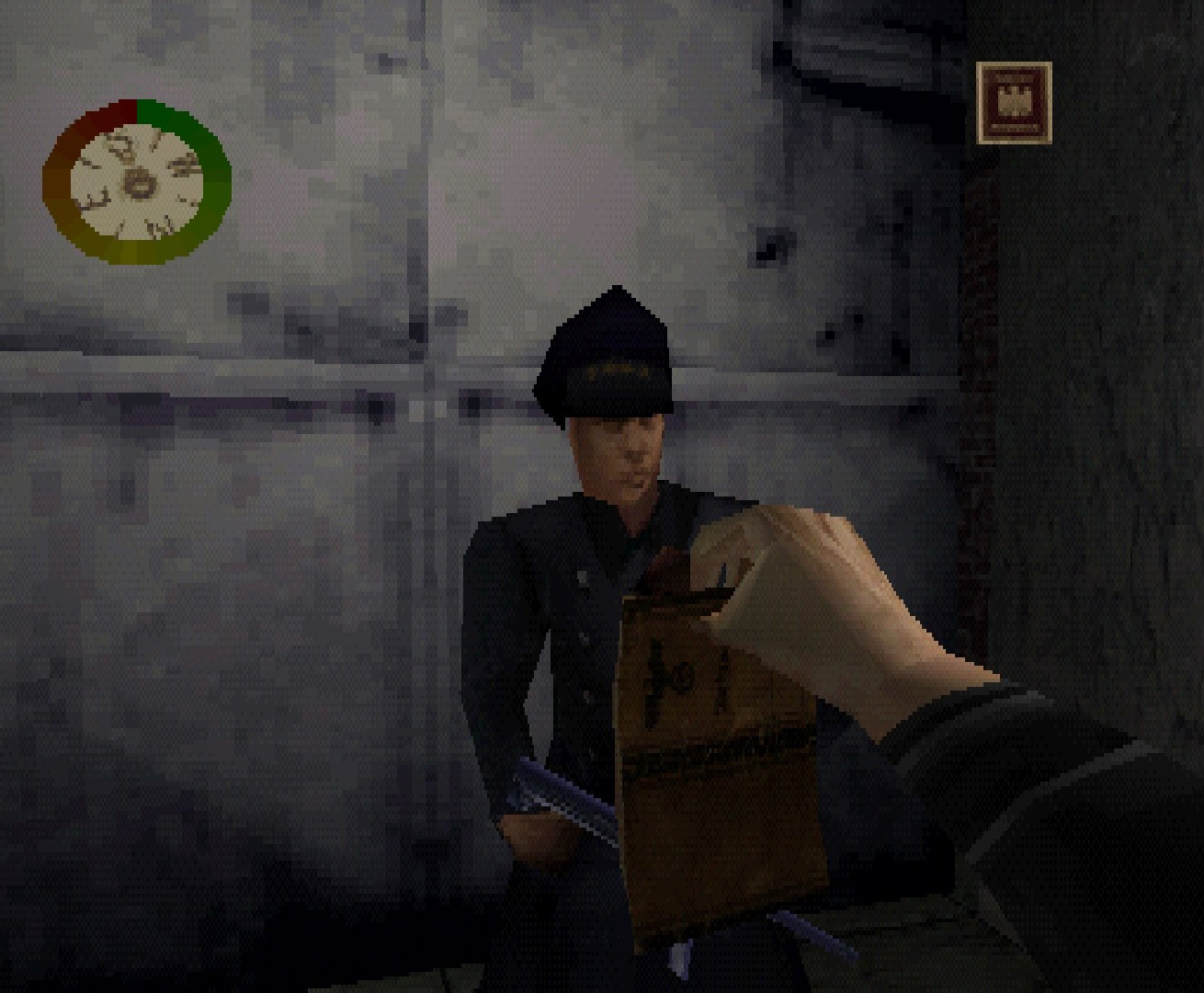
Medal of Honor does feature stealth or subterfuge and I think this was impressive for its time. The way it’s done, anyway. There are levels where you’re in disguise and will have to show your papers to German officers in order to get passed them. Alternatively, you can shoot your way through the level but it is fun trying to maintain your disguise. You will have to acquire upgraded papers and are given a silenced pistol to take out enemies quietly. The sequel, Medal of Honor: Underground, also contains levels like this and as a kid, I found them fascinating and I would always try to maintain my disguise while quietly dropping foes. If you are detected, enemies will run to an alarm to set if off and even then, I find it fun trying to drop them before they can set it off. You can turn them off manually. The stealth levels do mix up the gameplay nicely and I think for 1999, this kind of change of pace in an otherwise action-packed shooter was pretty groundbreaking.
I knew the stealth levels were in the game before playing and I expected them to be more frustrating. I was pleasantly surprised that they’re not frustrating at all. I think it helps that you’re not actually forced to maintain your disguise. Trying to get through a level without being detected or an alarm going off as a result of your own mistakes might be trial and error but actually getting detected doesn’t result in an immediate failure. You are free to shoot your way through the level if you want.
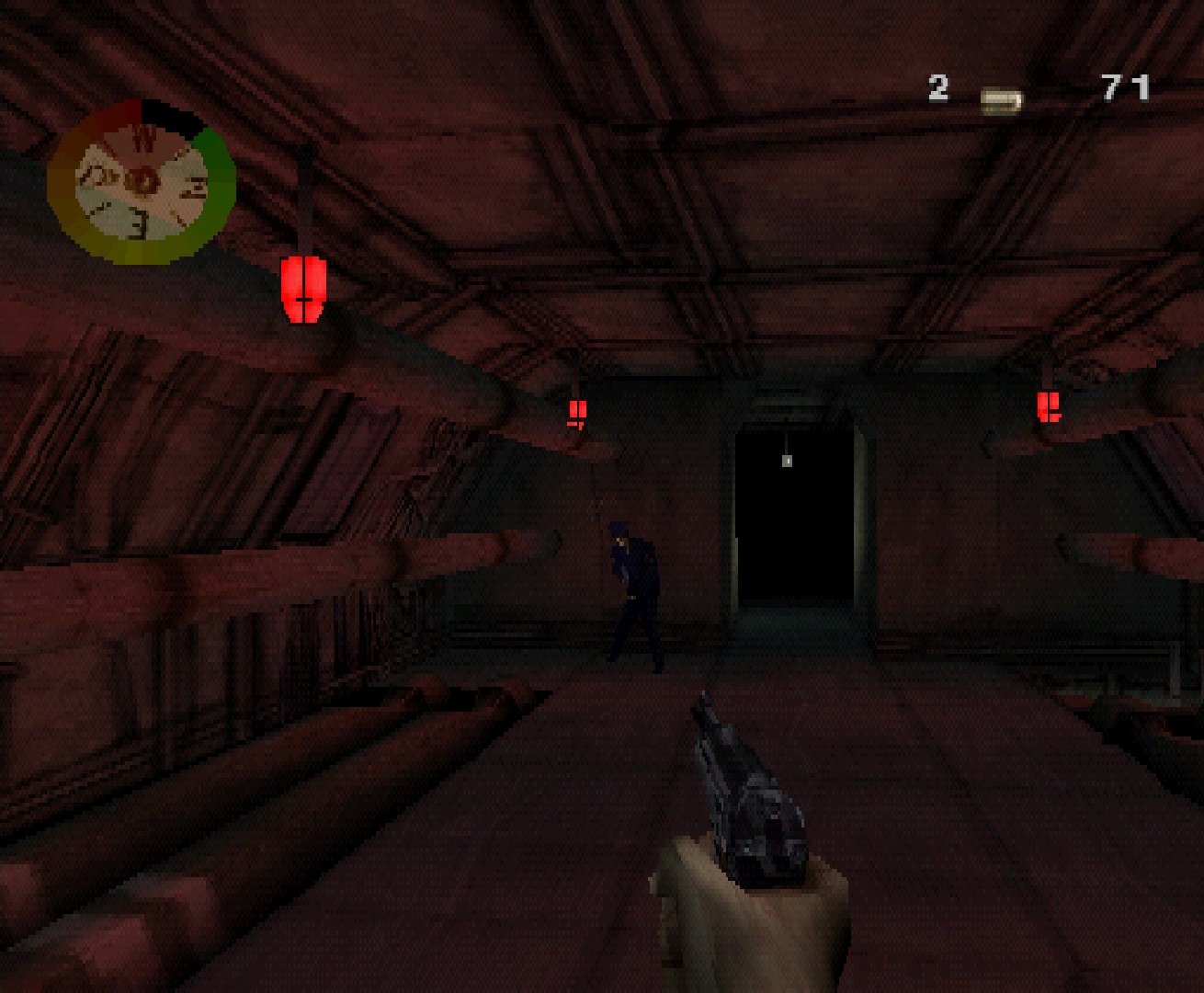
Every level tasks you with objectives that you must complete. You’ll have to neutralize specific foes, blow stuff up, find and retrieve things, and in between are plenty of enemies to shoot. The game will take you to various locations in France, Norway, and Germany. You’ll shoot your way through a forest, hydro plant, mines, and sewers among other areas. The levels are pretty linear and short. I think I beat each one in under ten minutes. You can probably get through the game in a single sitting. Exploration will typically lead you to pickups like ammo and health and the linearity ensures that it would be hard to get lost. There are objects scattered about the environments like explosive barrels and crates that can be used to your advantage and you’ll sometimes come across weapon emplacements that you and enemies can use. Enemies will often be walking or standing around and sometimes at different elevations and because of the short draw distance, it’s usually wise to be somewhat cautious when entering a new area, especially in the later levels where enemies carry panzerschrecks. But I can’t say the gameplay ever became frustrating for me. The later levels are definitely more challenging than the early ones and I died a few times but I can’t say I actually struggled getting through any. There are no checkpoints so death means you have to restart the level from the beginning but it’s not that terrible of a punishment just because of how short the levels are.
Medal of Honor certainly looks like a PlayStation game but I think most of the presentation holds up. The environments are fairly well detailed and the weapon and enemy models look pretty good. What really steals the show here is the audio work. It’s not just good, it’s amazing and is what really sells the atmosphere and helps immerse you into the experience. Weapons fire sounds excellent, explosions are booming, and it’s the ambient sounds that help create different moods. For example, you’ll hear dogs barking or people talking and shouting in the distance. Furthermore, the soundtrack is phenomenal. Composed by Michael Giacchino, it’s an orchestral sounding score that not only elevates tension and drama but also drives home the game’s cinematic style and further adds to the atmosphere and immersion. On the technical side, I’m happy to say I did not encounter any major issues.
I had an amazing time with Medal of Honor. It’s easily one of my favorite first-person shooters for PlayStation. It’s not my favorite game in the franchise but it is excellent and still holds up today. For the most part, it’s your typical run and gun type of experience but the stealth or subterfuge missions make for a nice change of pace and I think this kind of thing was pretty innovative for 1999. Furthermore, Medal of Honor takes the topic of World War II seriously and provides some actual historical information while telling a fictional story and presenting it all in a somewhat cinematic style with a great soundtrack to back it up. It’s one of the most immersive and atmospheric World War II shooters I’ve played. It’s also easy to pick up and get the hang of thanks to its multiple control configurations, one of which makes it feel like I’m playing a more modern console shooter. The action is fun, the presentation is great, and there’s plenty here to keep you occupied.
I absolutely recommend Medal of Honor. It may show its age but holds up really well thanks to fun gameplay, a great audiovisual presentation, and solid controls. That said, if you plan to play this on the PlayStation, I do recommend playing with the Dual Analog Controller and selecting controller configuration 4 in-game if you want to play with what you might consider a more modern control scheme. I do consider Medal of Honor to be a classic and iconic title in the first-person shooter genre. It not only marks the beginning of a popular franchise but also the trend of World War II first-person shooters that went on for years. Definitely check it out.